

Can Dr. Sarah Help Me Fix Chronic Bad Breath If Brushing Isn’t Working?
Have you been brushing diligently, yet your bad breath just won’t go away? It’s frustrating when you follow all the usual oral hygiene steps, but something as simple as fresh breath seems out of reach. Chronic bad breath, also known as halitosis, is a common issue that many people struggle with, despite their best efforts with brushing, flossing, and mouthwash. But what if brushing alone isn’t enough to fix the problem?
Bad breath can be more than a simple inconvenience. It can affect your confidence, social interactions, and overall quality of life. If brushing isn’t solving the issue, the root cause might lie elsewhere. This is where Dr. Sarah at Buda Dental Specialty Group can help. With her expertise and personalized care, she can uncover the underlying reasons for your persistent bad breath and recommend the right treatments to help you feel fresh again.
Understanding Chronic Bad Breath
What is Chronic Bad Breath?
Chronic bad breath, or halitosis, is a condition where bad breath persists over time, even after brushing and using mouthwash. Unlike occasional bad breath, which may occur after eating certain foods like garlic or onions, chronic bad breath can be a sign of an underlying health issue that needs professional attention.
Common Causes of Chronic Bad Breath
While poor oral hygiene is often the most common cause of bad breath, it’s not the only culprit. Many people brush regularly but still experience persistent bad breath. Some other common causes include:
- Dry Mouth (Xerostomia): Saliva helps clean the mouth and remove food particles. When your mouth is dry, often due to dehydration or certain medications, bacteria thrive, causing bad breath.
- Gum Disease (Periodontal Disease): Infections in the gums can lead to bad breath due to the bacteria that accumulate in pockets around the teeth and gums.
- Certain Medications: Medications that reduce saliva or cause a dry mouth, such as antihistamines or blood pressure medications, can contribute to halitosis.
- Underlying Health Conditions: Chronic bad breath may also be linked to conditions such as acid reflux, diabetes, respiratory infections, or even liver or kidney disease.
Being a qualified dentist in Buda, Dr. Sarah will take the time to examine your oral health and ask about your medical history to identify any factors contributing to your bad breath.
Why Brushing Isn’t Enough
Limitations of Brushing Alone
Brushing your teeth is essential to oral health, but it’s not always enough to address the root causes of chronic bad breath. While brushing removes surface debris and helps to reduce bacteria on your teeth, it doesn’t always reach all the areas that could harbor the bacteria causing the odor.
The tongue, gums, and the back of the throat can accumulate bacteria that are harder to remove with regular brushing. Brushing also does little to address deeper issues like gum disease, dry mouth, or internal health conditions that may be contributing to your bad breath.
Importance of Professional Care
Even with excellent oral hygiene, bad breath can persist if the underlying cause isn’t addressed. That’s where a professional dentist in Buda, like Dr. Sara,h can step in. By conducting a comprehensive oral exam, she can help pinpoint if the problem lies in the gums, tongue, or elsewhere in your mouth. In many cases, dental treatments such as deep cleanings or gum therapy are necessary to manage and eliminate persistent bad breath.
Dr. Sarah’s expertise at Buda Dental Specialty Group ensures that your treatment plan is tailored to your specific needs, whether that’s improving your oral care routine or identifying and treating underlying issues that brushing alone can’t fix.
How Dr. Sarah Can Help
Comprehensive Oral Exam
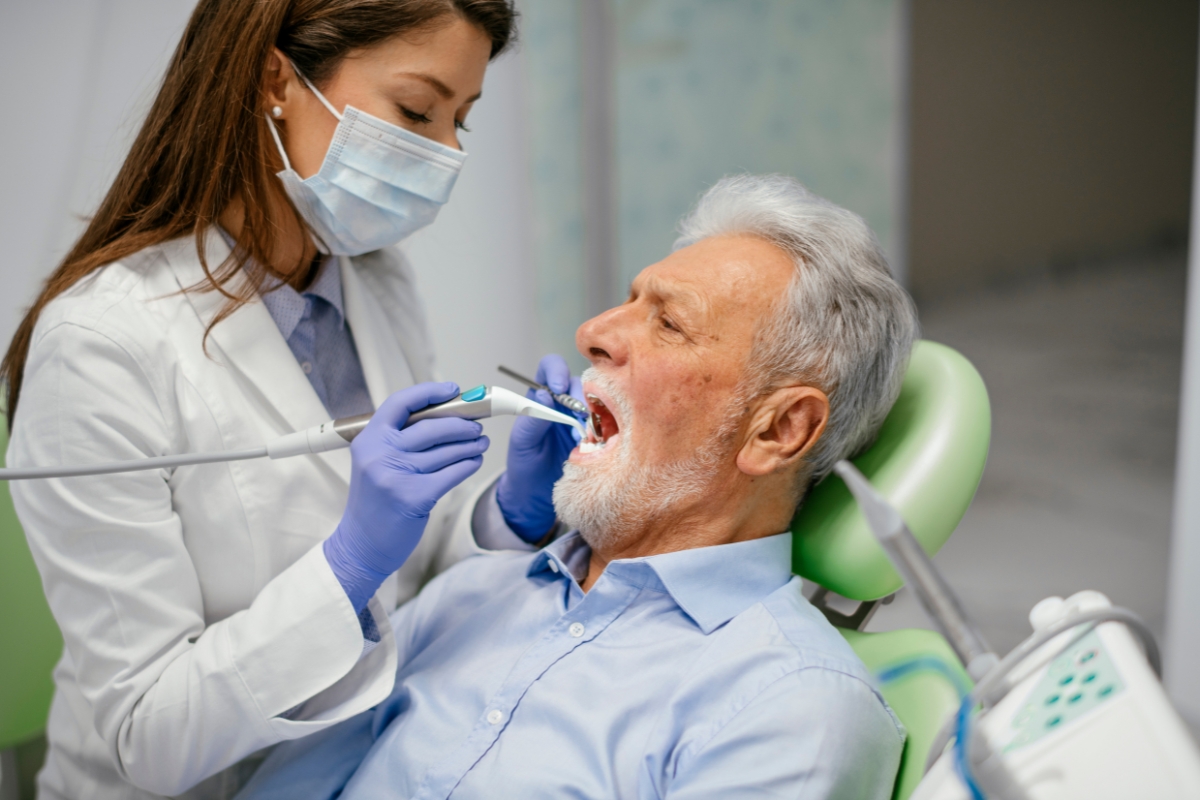
When you visit Buda Dental Specialty Group for your bad breath concerns, Dr. Sarah will start with a thorough examination of your teeth, gums, and mouth. This will include checking for any signs of gum disease, tooth decay, or other oral health problems that might be causing the persistent odor.
If necessary, additional diagnostic tests like X-rays might be taken to look for deeper issues, such as infections or cavities that are difficult to detect without professional equipment.
Advanced Treatments and Solutions
Once Dr. Sarah has identified the underlying cause of your bad breath, she will recommend appropriate treatments, which may include:
- Professional Cleanings: Regular professional cleanings remove plaque and tartar that brushing and flossing can’t tackle, helping to prevent gum disease, which is often a significant contributor to chronic bad breath.
- Gum Therapy: If gum disease is detected, Dr. Sarah may suggest scaling and root planing or other periodontal treatments to remove bacteria from below the gum line and restore gum health.
- Innovative Technology: At Buda Dental Specialty Group, we use advanced technology to provide the most effective treatments. Dr. Sarah may use laser therapy or ozone treatments to help kill bacteria and promote healing in your gums, improving your oral health and eliminating sources of bad breath.
Additionally, Dr. Sarah may recommend home care practices such as using a tongue scraper, switching to an antimicrobial mouthwash, or drinking more water to alleviate dry mouth, ensuring long-term relief from bad breath.
When to See Dr. Sarah
If you’ve tried brushing, flossing, and mouthwash without success, it may be time to see a professional. Here are a few signs that your chronic bad breath requires more than just home remedies:
- Persistent Bad Breath: If bad breath continues to linger despite regular brushing, it’s a sign that there’s likely an underlying issue that needs to be addressed.
- Dry Mouth: If your mouth often feels dry, even after drinking water, it can lead to an increase in bad breath due to the lack of saliva to wash away bacteria.
- A Bad Taste in Your Mouth: If you regularly experience a foul or metallic taste, it could indicate gum disease, tooth decay, or other oral health problems.
- Gum Disease Symptoms: Bleeding gums, swollen gums, or tenderness may point to gum disease, a common cause of bad breath that requires professional treatment.
If you’re experiencing any of these symptoms, don’t wait. Contact Buda Dental Specialty Group to schedule an appointment with Dr. Sarah and take the first step toward fresher breath and better oral health.
Chronic bad breath can feel like a never-ending struggle, but it doesn’t have to be. With Dr. Sarah’s expertise and the advanced treatments available at Buda Dental Specialty Group, you can finally address the root cause of your bad breath and regain your confidence.
Don’t let bad breath hold you back any longer. Book an appointment with Dr. Sarah today and start your journey to fresher breath and improved oral health. Call us to schedule your consultation today!
People Also Ask
Can certain medications cause bad breath?
Yes, medications that cause dry mouth or alter your oral health can contribute to bad breath. Dr. Sarah can help identify this and offer solutions.
How often should I visit the dentist for bad breath concerns?
If bad breath persists, it’s important to see the dentist at least every 6 months for checkups, or sooner if the problem worsens.
Can bad breath be a sign of a serious health issue?
Sometimes, chronic bad breath can indicate issues like diabetes, acid reflux, or respiratory infections, which Dr. Sarah can help identify.
Can Dr. Sarah provide home care tips for bad breath?
Absolutely! Dr. Sarah can recommend at-home practices, such as proper hydration, using mouthwash, and tongue scraping, to keep bad breath at bay.