
Dental Implants in Manchaca, TX
If you’ve been asking yourself, Am I Really a Candidate for Dental Implants? Here’s What Matters in Manchaca — you’re not alone. Many patients near Manchaca, TX come to us with exactly that question. Dental implants are one of the most life-changing tooth replacement options available today. But not everyone walks in ready for the procedure on day one.
At Buda Dental Specialty Group, Dr. Sarah Behmanesh takes a thorough, honest approach to implant evaluations. There are several key factors that determine whether implants are right for you right now. Some of those factors are fixed, but many are actually manageable. Let’s walk through what really matters when assessing your candidacy.
What Makes Someone a Strong Implant Candidate in Manchaca?
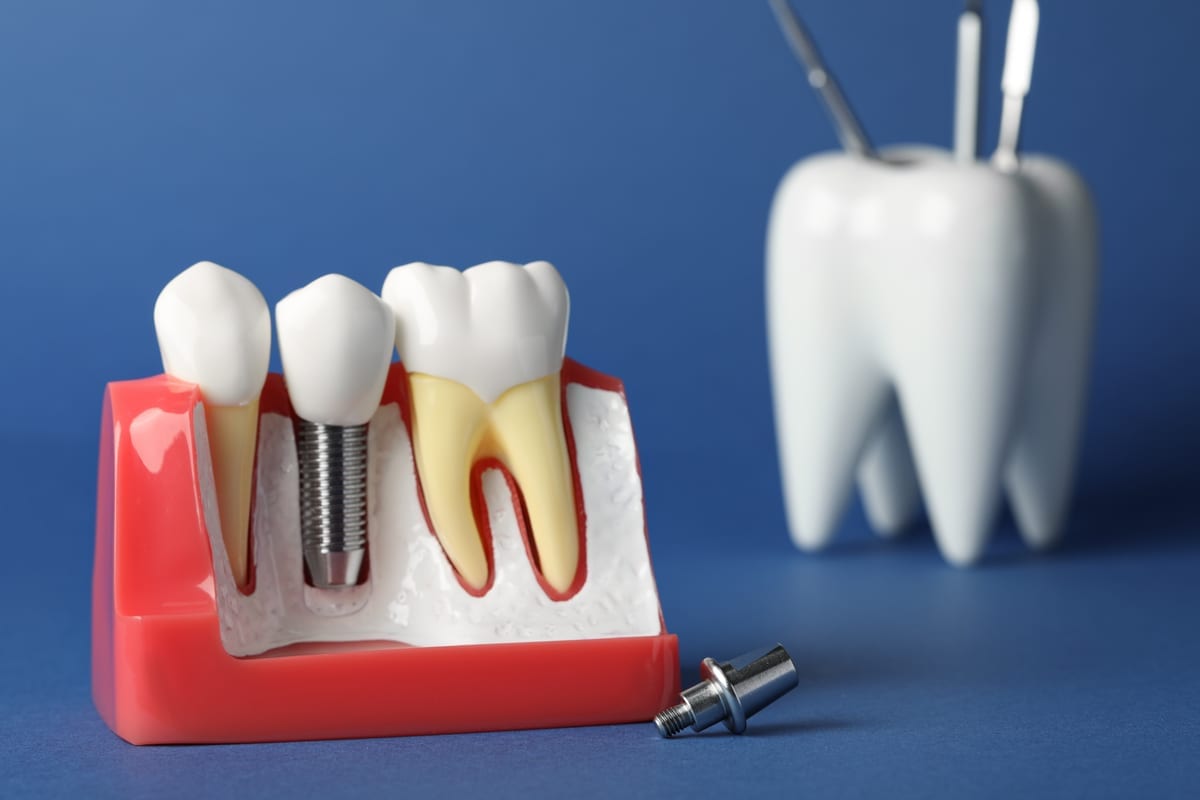
Dental Implant Restorations work by anchoring a titanium post directly into your jawbone. That post then fuses with the bone through a process called osseointegration. Because of this, your jawbone needs to be healthy and dense enough to support the implant. Without adequate bone, the implant simply won’t have a stable foundation.
Strong candidates typically share a few key qualities. They have enough jawbone volume to hold an implant securely. They also have healthy gum tissue free from active infection. Good overall health and a commitment to oral hygiene round out the ideal profile.
- Missing one or more teeth and want a permanent solution
- Healthy gums with no active periodontal disease
- Sufficient jawbone density or willingness to consider bone grafting
- Non-smoker or willing to quit before and after surgery
- No uncontrolled systemic health conditions
- Committed to regular dental visits and home care
Meeting most of these criteria is a great sign. But falling short on one or two doesn’t automatically disqualify you. Dr. Behmanesh evaluates each patient individually with detailed imaging and a full health review.
Does Age Really Matter for Dental Implants?
Age is one of the most common questions we hear from Manchaca patients. The short answer is that older adults are often excellent candidates. Many patients in their 60s, 70s, and even 80s successfully receive implants. What matters more than age is your bone quality and overall health status.
On the younger end, implants are typically not placed until the jaw has fully developed. For most patients, this means waiting until the late teens or early twenties. Placing an implant too early can interfere with natural bone growth. Dr. Behmanesh will confirm your jaw has finished developing before recommending implants for younger patients.
There is no upper age limit for receiving dental implants. Older patients do need a thorough health screening beforehand. Certain age-related conditions may require extra planning, but they rarely rule out implants entirely. Many seniors find that implants dramatically improve their quality of life.
How Bone Density and Gum Health Affect Your Candidacy
Bone density is arguably the most critical technical factor in implant candidacy. When a tooth is lost, the jawbone beneath it begins to shrink over time. This process is called bone resorption, and it happens faster than most patients realize. The longer you wait after tooth loss, the more bone you may lose.
If your bone has thinned, all hope is not lost. Bone grafting procedures can rebuild the jawbone before implant placement. Dr. Behmanesh may recommend a graft several months before placing the implant. This extra step adds time, but it opens the door for patients who would otherwise not qualify.
Gum health is equally important. Active gum disease creates a dangerous environment for an implant. Bacteria from infected gums can attack the implant site and cause failure. Any existing gum disease must be fully treated before moving forward with implant surgery.
- Bone grafting can restore lost density before implant placement
- Sinus lifts may be needed for upper jaw implants with low bone volume
- Periodontal treatment must be completed prior to surgery
- Regular cleanings help protect implants long-term after placement
Health Conditions and Lifestyle Factors That Impact Implant Success
Certain medical conditions require careful consideration before placing implants. Uncontrolled diabetes, for example, slows healing and increases infection risk. Patients with well-managed diabetes, however, often do very well with implants. The key word is controlled — not eliminated.
Other health conditions that may affect candidacy include autoimmune disorders, blood clotting issues, and certain cancers. Some medications, particularly bisphosphonates used for bone loss, can also impact outcomes. Dr. Behmanesh reviews your full medical history during your consultation. Transparency about your health helps her create the safest possible treatment plan.
Smoking is one of the most significant lifestyle factors affecting implant success. Tobacco use reduces blood flow, slows healing, and dramatically increases the risk of implant failure. Patients who smoke are asked to quit at least a few weeks before surgery and throughout the healing period. Many patients use the implant process as powerful motivation to quit for good.
If you’ve had a Dental Emergencies situation that resulted in tooth loss, timing matters too. Trauma to the jaw can affect bone levels and nearby teeth. Dr. Behmanesh will assess the full impact before creating your implant plan. Rushing into treatment after trauma can compromise long-term results.
What If You’re Not Quite Ready Yet?
Being told you’re not immediately ready for implants can feel discouraging. But in most cases, it simply means there are steps to take first. Think of it as building the right foundation before constructing something meant to last a lifetime. The extra preparation often leads to better, longer-lasting results.
Common preparatory steps include treating gum disease, completing bone grafting, or gaining better control of a health condition. These steps can take weeks or several months. Dr. Behmanesh maps out a clear timeline so you always know what comes next. Patients who go through prep work often feel more confident and informed going into the implant process.
Manchaca patients should also know that alternatives exist if implants aren’t the right fit. Dental bridges and partial dentures are effective options worth discussing. Dr. Behmanesh will always present every option honestly and without pressure. Her goal is to find what truly serves your long-term oral health best.
Frequently Asked Questions
How do I know if I have enough bone for a dental implant?
Dr. Behmanesh uses detailed dental X-rays and 3D cone beam imaging to measure your bone volume and density. You won’t need to guess — the scans provide precise data. If bone loss is present, she will discuss whether bone grafting is appropriate for your situation.
Can I get dental implants if I have diabetes?
Many patients with diabetes successfully receive and heal from dental implants. The key factor is whether your diabetes is well-controlled at the time of treatment. Dr. Behmanesh will coordinate with your physician if needed to ensure it’s safe to proceed.
Does smoking completely disqualify me from getting implants?
Smoking significantly raises the risk of implant failure, but it doesn’t automatically disqualify you. Patients who are willing to stop smoking before and after the procedure often achieve successful outcomes. Dr. Behmanesh will be upfront with you about the risks and what quitting can do for your results.
Is there an age limit for dental implants in Manchaca?
There is no maximum age limit for dental implants. Seniors who are in good general health and have adequate bone density are often excellent candidates. For younger patients, Dr. Behmanesh confirms that jaw development is complete before recommending implant placement.
What happens if I’m not a candidate for implants right now?
If you’re not immediately ready, Dr. Behmanesh will outline the steps needed to get you there. This may include treating gum disease, bone grafting, or addressing certain health factors first. In some cases, she’ll also discuss alternative tooth replacement options that may suit your current situation better.
You deserve a smile that works and feels like your own. Dr. Sarah Behmanesh and the team at Buda Dental Specialty Group are here to guide Manchaca patients through every step of the implant journey. Book Now to schedule your appointment with our team.