

Dental Checkups Every 6 Months in Buda, TX
Most people have heard the advice their whole lives: see your dentist twice a year. But have you ever wondered where that recommendation actually comes from? Understanding why your dentist recommends checkups every six months—and when you actually need more in Buda—can help you take better control of your oral health. At Buda Dental Specialty Group, Dr. Sarah Behmanesh helps patients make smarter, more personalized decisions about their care.
Where Did the Six-Month Rule Come From?
The twice-yearly checkup recommendation has been around for decades. Interestingly, its origins are more marketing than medicine. An early toothpaste ad in the 1900s popularized the idea of seeing a dentist every six months. Over time, however, dental research began supporting it as a reasonable general guideline.
Today, dental organizations like the American Dental Association acknowledge that every six months works well for most low-risk patients. Regular visits allow dentists to catch cavities early, monitor gum health, and screen for oral cancer. Prevention is always more affordable and less invasive than treatment.
For healthy adults with good home care habits, twice yearly is a solid baseline. However, the six-month rule is not a one-size-fits-all prescription. Your actual needs depend on your risk factors, health history, and lifestyle.
What Happens During a Routine Checkup in Buda?
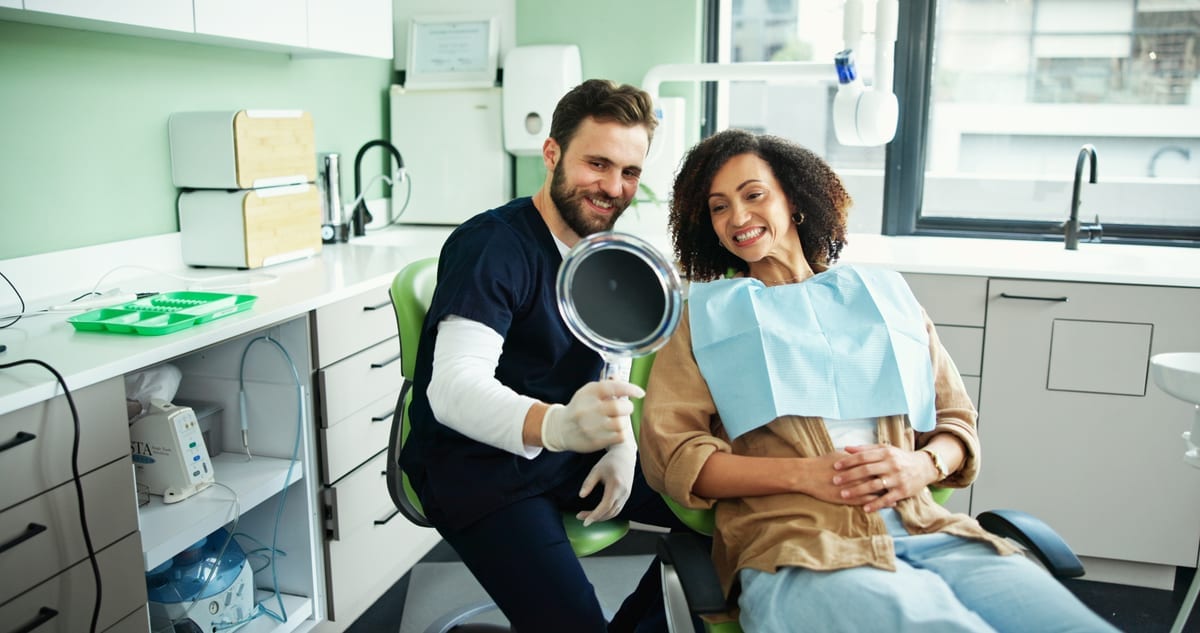
A standard dental checkup involves more than just a quick look inside your mouth. Dr. Behmanesh and the team at Buda Dental Specialty Group complete a thorough clinical exam at every visit. This includes checking for cavities, gum disease, bite issues, and soft tissue abnormalities.
Professional teeth cleaning is also a key part of the visit. Even excellent brushers and flossers leave tartar behind. Only a professional cleaning can safely remove that buildup and protect your gums.
- Visual examination of all teeth and soft tissues
- Periodontal probing to assess gum health
- Digital X-rays to detect issues between teeth
- Oral cancer screening
- Professional scaling and polishing
- Personalized home care recommendations
Each of these steps plays a role in catching problems before they become serious. Skipping visits means losing those early-detection opportunities.
When Buda Patients Actually Need More Frequent Checkups
For some patients, waiting six months between visits is simply too long. Several health and lifestyle factors raise your risk for rapid dental changes. If you fall into one or more of these categories, Dr. Behmanesh may recommend visits every three to four months instead.
People with a history of gum disease often need more frequent monitoring. Once periodontal disease develops, it requires ongoing management to prevent recurrence. More frequent cleanings help keep bacteria levels low and protect bone tissue.
- Gum disease history: Bacteria recolonize quickly without regular professional care
- Diabetes: High blood sugar increases infection risk and slows healing
- Dry mouth: Saliva protects teeth; reduced flow raises cavity risk significantly
- Tobacco use: Smoking raises the risk of gum disease and oral cancer
- Pregnancy: Hormonal changes can trigger gum inflammation (pregnancy gingivitis)
- Active orthodontic treatment: Braces create more areas for plaque to hide
- Weakened immune systems: Illness or medications can accelerate oral health decline
If any of these apply to you, talk to Dr. Behmanesh about adjusting your schedule. More frequent visits are not a punishment—they are a smart strategy for protecting your health long-term.
How Checkups Connect to Bigger Dental Decisions
Routine checkups do more than prevent cavities. They also serve as the foundation for larger treatment planning. When Dr. Behmanesh monitors your mouth consistently, she can identify trends before they become urgent problems.
For example, a patient with a cracked or weakened tooth may need a dental crown before the damage worsens. Detecting bone loss early can affect whether a patient is a good candidate for Dental Implant Restorations. Regular checkups make that kind of proactive planning possible.
Checkups also prepare patients for unexpected situations. Patients who maintain regular visits are more likely to recognize when something is wrong early. That awareness helps them respond quickly during Dental Emergencies rather than waiting until pain becomes severe.
Consistent care also builds a relationship with your dental team. That relationship makes every visit more comfortable and more effective over time.
What to Expect When You Visit Buda Dental Specialty Group
Dr. Sarah Behmanesh takes a personalized approach to every patient’s care schedule. At your first visit, she will review your health history, assess your current oral health status, and discuss your goals. From there, she will recommend a visit frequency that matches your actual needs—not just a default calendar.
Buda Dental Specialty Group serves patients of all ages, including children through our pediatric dentistry services. Establishing good checkup habits early sets kids up for healthier smiles throughout their lives. Adults benefit just as much from consistent, evidence-based preventive care.
Our team makes every effort to create a welcoming and low-stress experience. Whether you are anxious about dental visits or simply overdue for a cleaning, we meet you where you are. Our goal is education and long-term health—not pressure or judgment.
Your Checkup Schedule Is a Personal Health Decision
The six-month guideline is a helpful starting point, but it is not the final word for every patient. Your oral health is unique to you. Factors like your medical history, genetics, diet, stress levels, and home care all influence how quickly your teeth and gums change between visits.
The best checkup schedule is one that fits your actual risk profile—not just the calendar default. Dr. Behmanesh will help you understand your risks clearly and honestly. That way, you can make informed decisions with confidence.
Preventive care is one of the most powerful investments you can make in your overall health. Regular dental visits reduce the likelihood of pain, tooth loss, and costly procedures down the road. Your future self will thank you for staying consistent today.
If you are unsure whether your current schedule is right for you, now is the perfect time to find out. Book Now to schedule your appointment with our team.
Frequently Asked Questions
Is the six-month dental checkup rule backed by science?
The twice-yearly recommendation has historical roots in marketing, but modern research supports it as a reasonable baseline for low-risk patients. Studies show that regular professional cleanings reduce gum disease and cavity rates. However, dentists today recognize that some patients benefit from more frequent visits based on individual health factors.
How do I know if I need dental checkups more than twice a year?
Several factors can increase your need for more frequent visits. These include a history of gum disease, diabetes, tobacco use, dry mouth, or active orthodontic treatment. Dr. Behmanesh will assess your risk profile during your visit and recommend the right schedule for your specific needs.
What happens if I skip my dental checkup for a year or more?
Skipping checkups gives tartar, bacteria, and early cavities time to develop without detection. Small problems can become large ones surprisingly quickly. Gum disease can advance silently, and early-stage oral cancer may go undetected. Returning to regular care as soon as possible is always the right move, regardless of how long it has been.
Are dental checkups important for children too?
Yes—pediatric dental checkups are just as important as adult ones. Children are especially prone to cavities due to diet and developing brushing habits. Early visits help establish healthy routines, monitor tooth development, and catch problems before they affect permanent teeth. Buda Dental Specialty Group provides comprehensive pediatric dentistry for younger patients.
Can good brushing and flossing replace professional dental cleanings?
Great home care is essential, but it cannot replace professional cleanings. Tartar—also called calculus—forms from hardened plaque and cannot be removed with a toothbrush or floss. Only professional instruments can safely clear tartar from above and below the gumline. Home care and professional care work best as a team, not substitutes for each other.