

Root Canal Step-by-Step: What You’ll Actually Feel During Treatment
If the words ‘root canal’ make your stomach drop, you’re not alone. Most patients in Buda, TX arrive at our office with nerves — and leave wondering why they worried so much. Understanding the root canal step-by-step process, and what you’ll actually feel during treatment, is the single best way to calm those fears. Dr. Sarah Behmanesh at Buda Dental Specialty Group is here to walk you through every moment, from the first numbing injection to the final restoration.
Why Root Canals Have an Undeserved Reputation
The fear around root canals comes from old stories — not modern dentistry. Techniques and anesthetics have improved dramatically over the past two decades. Today, most patients compare the experience to getting a simple filling.
The real source of pain is the infected tooth, not the treatment itself. Root canal therapy actually eliminates that pain. Once we remove the infected tissue, relief begins almost immediately.
Understanding what happens at each stage puts you in control. Knowledge is one of the most powerful tools against dental anxiety. Let’s walk through exactly what you can expect.
Step-by-Step: What Happens During Your Root Canal in Buda
Here is a clear breakdown of the procedure from start to finish. Every step is designed with your comfort in mind.
- Examination and X-rays: Dr. Behmanesh reviews your tooth and surrounding bone structure before starting anything.
- Local anesthesia: A numbing agent is applied to your gum, followed by a small injection to fully numb the area.
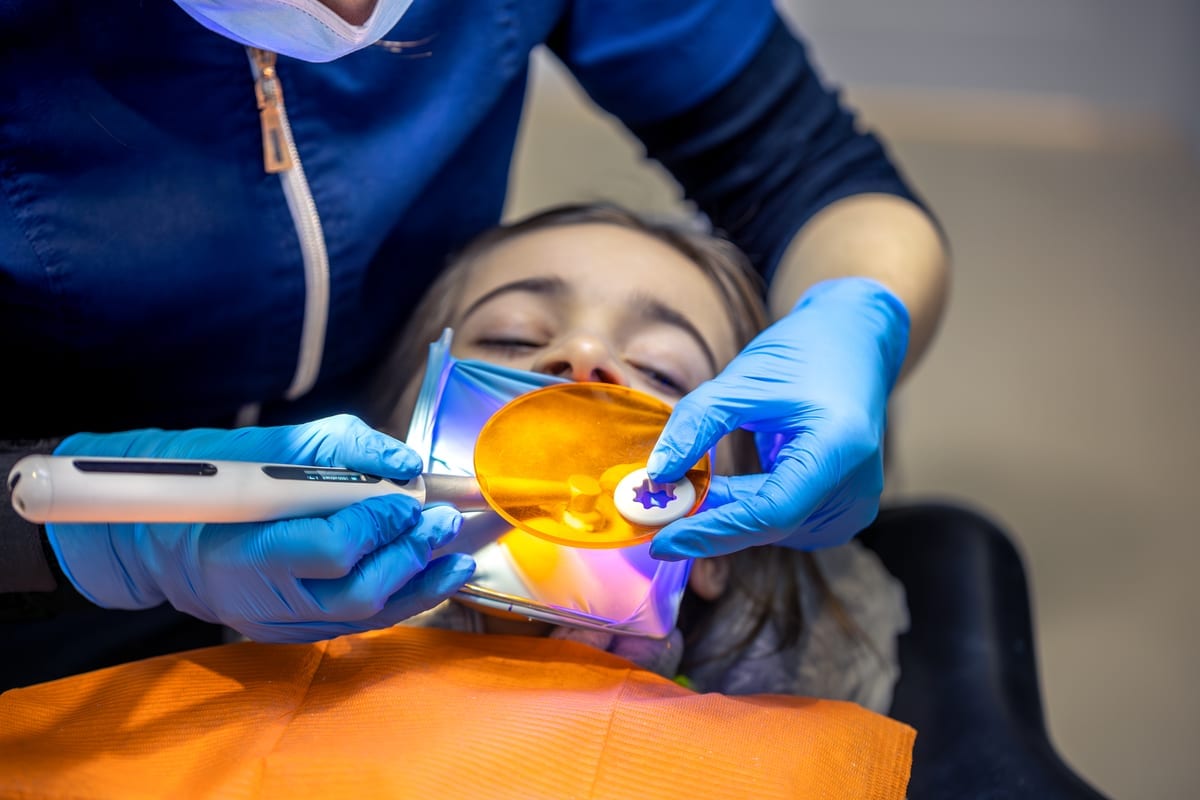
- Dental dam placement: A thin rubber sheet isolates the tooth and keeps the area clean and dry.
- Access opening: A small opening is made through the top of the tooth to reach the inner pulp.
- Pulp removal: Infected or inflamed tissue is carefully removed using tiny, precise instruments.
- Canal shaping and cleaning: Each canal is shaped, disinfected, and prepared to receive a filling material.
- Filling the canals: A biocompatible material called gutta-percha seals the cleaned canals completely.
- Temporary or permanent crown: The tooth is sealed with a crown or filling to restore full function.
Each of these steps is methodical and controlled. Nothing happens quickly or without your awareness. Dr. Behmanesh checks in with patients throughout the entire process.
What You’ll Actually Feel at Each Stage
This is the part most patients want to know most. Let’s be honest and specific about sensations at each stage.
During the injection: You’ll feel a brief pinch and mild pressure. The numbing gel applied beforehand dulls most of that sensation. Within two to three minutes, the area goes completely numb.
During the cleaning: You should feel no pain at all. Some patients feel light pressure or vibration. If you feel any sharpness, raise your hand — Dr. Behmanesh will pause immediately and add more anesthetic.
During canal filling: This step is entirely painless. The canals are already numb and fully cleaned. You may feel mild pressure as the material is placed, but nothing uncomfortable.
After treatment: Once the anesthesia wears off, you may notice mild soreness for one to three days. Over-the-counter pain relievers manage this easily. Most patients return to normal activity the very next day.
How Dr. Behmanesh Keeps You Comfortable Throughout
Comfort is not an afterthought at Buda Dental Specialty Group — it is built into every step. Dr. Behmanesh uses a gentle, patient-first approach that prioritizes communication above all else.
Before any instrument touches your tooth, you and Dr. Behmanesh discuss the full plan. You know what’s coming, in what order, and how long it takes. That transparency removes surprises — and surprises are often what cause anxiety.
Our team also monitors your comfort throughout the appointment. You can signal at any time if you need a break. We move at your pace, not ours.
For patients with significant dental anxiety, we offer additional comfort options. Ask about what works best for your specific situation during your consultation.
What Happens After Your Root Canal
Most patients feel immediate relief from the tooth pain that brought them in. The infection is gone, and the nerve tissue that was causing discomfort has been removed. That’s a meaningful change you’ll notice right away.
Here’s what to keep in mind during your recovery:
- Avoid chewing on the treated tooth until your permanent crown is placed.
- Take any prescribed medications exactly as directed.
- Contact our office immediately if swelling increases or pain worsens after 72 hours.
- Attend your follow-up appointment to complete the final restoration.
- Brush and floss gently around the area while it heals.
Your restored tooth can last a lifetime with proper care. Root canal-treated teeth function just like natural teeth once fully healed. The goal is always to save your natural tooth whenever possible.
In some cases, a tooth may be too damaged to save through a root canal. When that happens, Dr. Behmanesh will discuss your options clearly. Dental Implant Restorations Buda is one excellent option for replacing a tooth that cannot be saved.
Unexpected dental pain or swelling should never be ignored. If your tooth becomes acutely painful before your scheduled appointment, reach out right away. Our team handles Dental Emergencies Buda and can often see urgent cases the same day.
You Don’t Have to Be Afraid — We’re Here for You
Root canal treatment has come a long way. With modern anesthetics, advanced instruments, and a caring team, the procedure is genuinely manageable for most patients. The root canal step-by-step experience in Buda at our practice is designed around your comfort and peace of mind.
Dr. Sarah Behmanesh and the entire Buda Dental Specialty Group team believe that informed patients make confident patients. You now know what to expect at every stage — the sensations, the timeline, and the recovery. There are no surprises waiting for you in that chair.
Ready to take the next step and get the relief you deserve? Book Now to schedule your appointment with our team.
Frequently Asked Questions
Does a root canal hurt during the procedure?
No — the area is fully numbed before any work begins. Most patients feel only mild pressure or vibration during the procedure. If you feel any sharpness at any point, Dr. Behmanesh adds more anesthetic immediately. Pain during the procedure itself is not something you should expect.
How long does a root canal take at Buda Dental Specialty Group?
Most root canal procedures take between 60 and 90 minutes for a single appointment. Complex cases or multi-rooted teeth may require a second visit. Dr. Behmanesh will give you a realistic time estimate during your consultation so you can plan your day accordingly.
How sore will I be after a root canal?
Mild soreness for one to three days is completely normal after treatment. Most patients manage this comfortably with over-the-counter pain relievers. Swelling or pain that worsens after 72 hours should be reported to our office promptly so we can evaluate the area.
Will I need a crown after my root canal?
In most cases, yes. A dental crown protects and strengthens the treated tooth, preventing future fractures. Dr. Behmanesh will discuss whether a crown or another restoration is the right choice for your specific tooth. The crown is typically placed at a follow-up appointment after the root canal heals.
Can I drive myself home after a root canal?
Yes, in most cases you can drive yourself home after a standard root canal with local anesthesia. Your mouth may feel numb for a few hours after the appointment. If you receive any sedation beyond local anesthesia, you will need a driver — our team will let you know in advance.