
Why Your Teeth Feel Sensitive During Cleaning—And How We Stop It
If you dread your teeth cleaning because of sensitivity, you are not alone. Many patients in Buda ask us the same question: why does this happen? Understanding why your teeth feel sensitive during cleaning—and how we stop it in Buda—can change how you feel about your next appointment. At Buda Dental Specialty Group, Dr. Sarah Behmanesh and our hygiene team take sensitivity seriously. We have practical, proven ways to make your visit far more comfortable.
What Causes Tooth Sensitivity During a Cleaning?
Sensitivity during a cleaning usually has a clear physical explanation. It is not just in your head, and it does not mean something is seriously wrong. Understanding the cause helps patients feel less anxious before they sit in the chair.
The most common reasons patients feel sensitivity include:
- Gum recession — When gums pull back, the root surface becomes exposed. Roots lack the enamel protection that crowns have.
- Enamel erosion — Acidic foods, grinding, and age wear enamel down over time. Thinner enamel means more nerve exposure.
- Tartar buildup — Heavy calculus deposits irritate the gum tissue and nerves underneath.
- Gum inflammation (gingivitis) — Inflamed gums bleed easily and feel tender during scaling.
- Dentinal hypersensitivity — Tiny tubules in the dentin connect to the nerve. Stimulation travels quickly to the pulp.
Each of these conditions responds differently to treatment. Our team assesses your specific situation before your cleaning even begins. That way, we approach your appointment with a tailored plan rather than a one-size-fits-all routine.
Why Sensitivity During Cleaning Feels Worse for Some Patients
Not everyone experiences the same level of discomfort during a professional cleaning. Several factors make sensitivity more intense for certain individuals. Knowing which factors apply to you helps our team prepare better.
Patients with longer gaps between cleanings often have more tartar accumulation. Removing heavy buildup naturally requires more contact with the gum tissue. The gums in these cases are often already inflamed, which amplifies discomfort.
Cold water and air used during polishing also trigger nerve responses. If your enamel is thin or your roots are exposed, those sensations travel faster. Some patients are also simply more neurologically reactive to touch near the gum line. This is completely normal and nothing to feel embarrassed about.
Stress and dental anxiety can even lower your pain threshold during the appointment. When your body is tense, you register sensations more intensely. That is why our team focuses on communication and comfort from the moment you arrive.
How Our Buda Hygienists Minimize Sensitivity During Your Visit
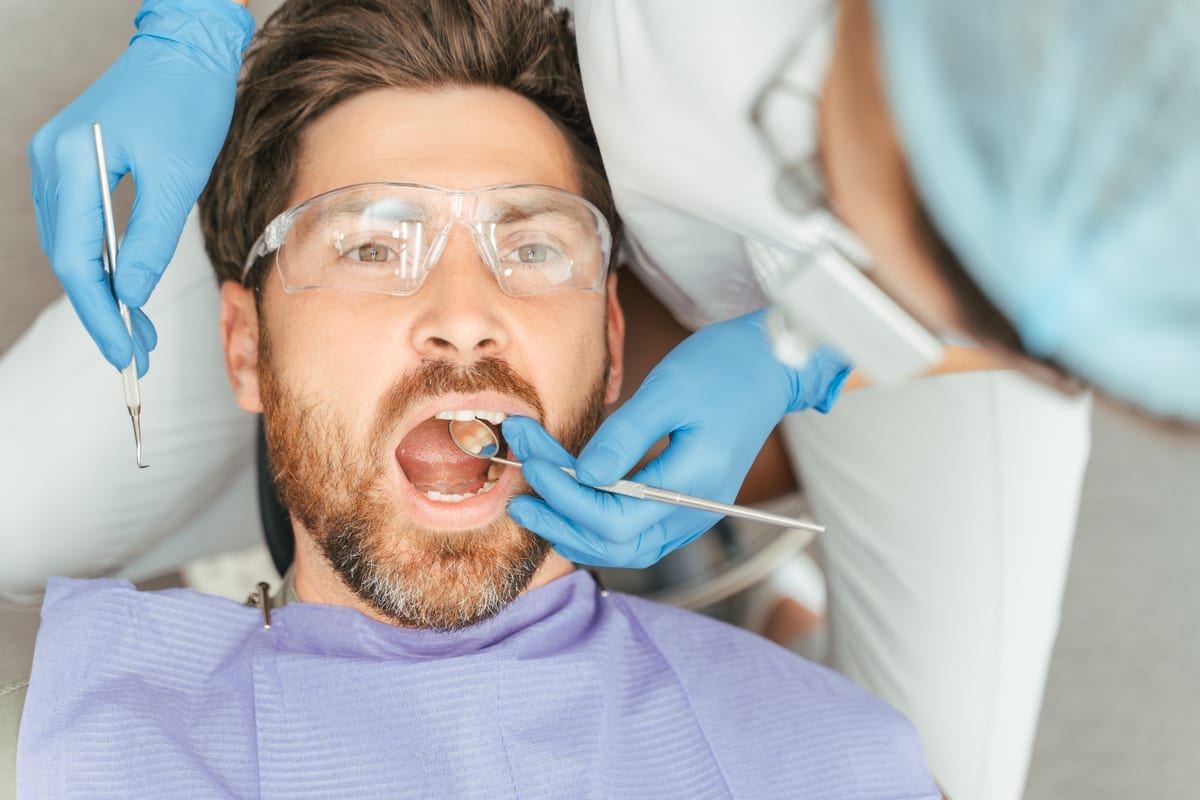
At Buda Dental Specialty Group, we use several strategies to reduce discomfort during your cleaning. Dr. Behmanesh has built a team that prioritizes your comfort alongside your oral health. Here is what we do differently to make sensitive cleanings manageable.
- Topical numbing gel — We apply a desensitizing gel to the gum line before scaling begins. This reduces surface nerve sensitivity significantly.
- Ultrasonic scaling — Our ultrasonic instruments use gentle vibrations and water irrigation. They remove tartar with less physical pressure than hand tools alone.
- Sectional cleaning — We break your mouth into quadrants. This gives sensitive areas time to recover between sections.
- Warm water rinses — We swap cold rinses for warm water when appropriate. This simple change reduces temperature-triggered sensitivity.
- Frequent check-ins — We ask how you are feeling throughout the appointment. You can signal us to pause at any time without judgment.
We also discuss your sensitivity history before we start. If you have had painful cleanings elsewhere, tell us. That information helps us prepare the right tools and techniques from the beginning.
What You Can Do at Home to Reduce Sensitivity Before Your Appointment
Your habits between visits play a major role in how comfortable your cleaning feels. Consistent home care reduces tartar buildup and gum inflammation. Less buildup means less work during your cleaning—and less discomfort for you.
Start using a sensitivity toothpaste two weeks before your appointment. Products containing potassium nitrate or stannous fluoride block the dentinal tubules over time. Brush twice daily with a soft-bristled brush using gentle circular motions. Aggressive brushing actually worsens gum recession and enamel wear.
Floss daily to reduce gum inflammation between teeth. Inflamed gums are far more reactive during cleaning than healthy ones. Staying well-hydrated also helps maintain saliva flow, which naturally protects enamel.
Avoid highly acidic foods and drinks in the 24 hours before your appointment. Acid temporarily softens enamel and makes the surface more reactive. These small preparations can noticeably reduce your discomfort during the visit itself.
When Sensitivity Points to Something That Needs Attention
Sometimes sensitivity during cleaning signals an underlying issue that deserves follow-up care. Our team monitors your responses during the appointment carefully. We are not just cleaning—we are also observing.
Persistent sensitivity in a specific tooth may indicate a cavity, cracked enamel, or root exposure that needs treatment. If gum disease is contributing to your discomfort, a deeper cleaning called scaling and root planing may be recommended. This procedure targets bacteria below the gum line and promotes healing.
In some cases, patients experiencing significant tooth loss alongside sensitivity may benefit from restorative options. Dental Implant Restorations Buda can replace missing teeth and restore proper bite function, which also reduces strain on remaining teeth. Our team will discuss any concerns openly with you after your appointment.
If you develop sudden or severe tooth pain between visits, do not wait. Dental Emergencies Buda are handled promptly at our practice. Same-day care can prevent a manageable issue from becoming a complex one.
You Deserve a Cleaning That Does Not Hurt—Let’s Make That Happen
Sensitivity should never be a reason to skip your professional cleaning. Avoiding cleanings actually worsens the underlying causes of sensitivity over time. More tartar, more inflammation, and more gum recession create a cycle that gets harder to break.
Dr. Sarah Behmanesh and the team at Buda Dental Specialty Group understand dental anxiety. We meet every patient where they are without judgment. Our goal is to help you leave feeling better—not dreading your next visit.
If sensitivity has kept you away from the dentist, now is the time to come back. We will take it slowly, communicate clearly, and use every tool available to keep you comfortable. Book Now to schedule your appointment with our team.
Frequently Asked Questions
Is it normal for teeth to hurt during a professional cleaning?
Yes, some sensitivity during cleaning is very common. It usually results from gum recession, enamel erosion, or gum inflammation. It does not mean something is seriously wrong. Let your hygienist know, and they can adjust their technique to reduce your discomfort.
What can I do to make my teeth less sensitive before a cleaning?
Use a desensitizing toothpaste for two to four weeks before your appointment. Brush gently with a soft-bristled toothbrush and floss daily to reduce gum inflammation. Avoiding acidic foods the day before can also help reduce sensitivity during your visit.
Can I ask my hygienist to stop if the cleaning becomes too uncomfortable?
Absolutely. At Buda Dental Specialty Group, you are always in control. You can signal us to pause at any point during your appointment. We encourage open communication so we can adjust our approach and keep you comfortable throughout.
How often should I get my teeth cleaned if I have sensitive teeth?
Most patients with sensitivity benefit from cleanings every six months. In some cases, Dr. Behmanesh may recommend more frequent visits—every three to four months. More regular cleanings prevent heavy tartar buildup, which is a major driver of sensitivity during appointments.
Will my sensitivity get better over time with regular cleanings?
For many patients, yes. Regular cleanings reduce gum inflammation and tartar accumulation. Healthier gums and cleaner teeth mean less discomfort at each subsequent visit. Consistent home care between appointments accelerates this improvement significantly.