
Teeth Whitening Safety in Buda, TX
Many Shady Hollow residents ask the same question before their first whitening appointment. Is professional teeth whitening safe for your enamel and gums? The short answer is yes — when performed correctly under dental supervision. Dr. Sarah Behmanesh at Buda Dental Specialty Group helps patients understand exactly what to expect before, during, and after treatment.
How Professional Teeth Whitening Works
Professional whitening uses a peroxide-based gel applied directly to your teeth. The gel penetrates the enamel to break apart stain molecules inside the tooth. This process lightens the overall shade of your smile without scraping or damaging the tooth surface. In-office treatments use higher concentrations than store-bought products.
Your dentist carefully controls the application time and gel strength. This precision is what separates professional whitening from over-the-counter kits. Store kits often apply uneven pressure and uncontrolled contact with soft tissue. Professional supervision dramatically reduces the risk of complications.
Is Professional Teeth Whitening Safe for Your Enamel? Shady Hollow Patients Should Know This
A common concern is whether whitening erodes or weakens enamel. Research consistently shows that professional whitening does not damage healthy enamel. The peroxide gel does not dissolve enamel mineral structure at clinically approved concentrations. Studies published in dental journals confirm enamel integrity remains intact after treatment.
However, pre-existing enamel erosion does change the picture. Patients with thinning enamel from acid reflux or acidic diets may experience heightened sensitivity. Dr. Behmanesh always reviews your oral health before recommending whitening. That assessment protects your enamel and your comfort throughout the process.
- Professional gels are formulated at safe, tested peroxide concentrations
- Enamel hardness is not measurably affected by approved whitening agents
- Custom-fitted trays minimize gel contact with vulnerable areas
- Fluoride treatments after whitening can further protect enamel
What About Gum Sensitivity and Soft Tissue Safety?
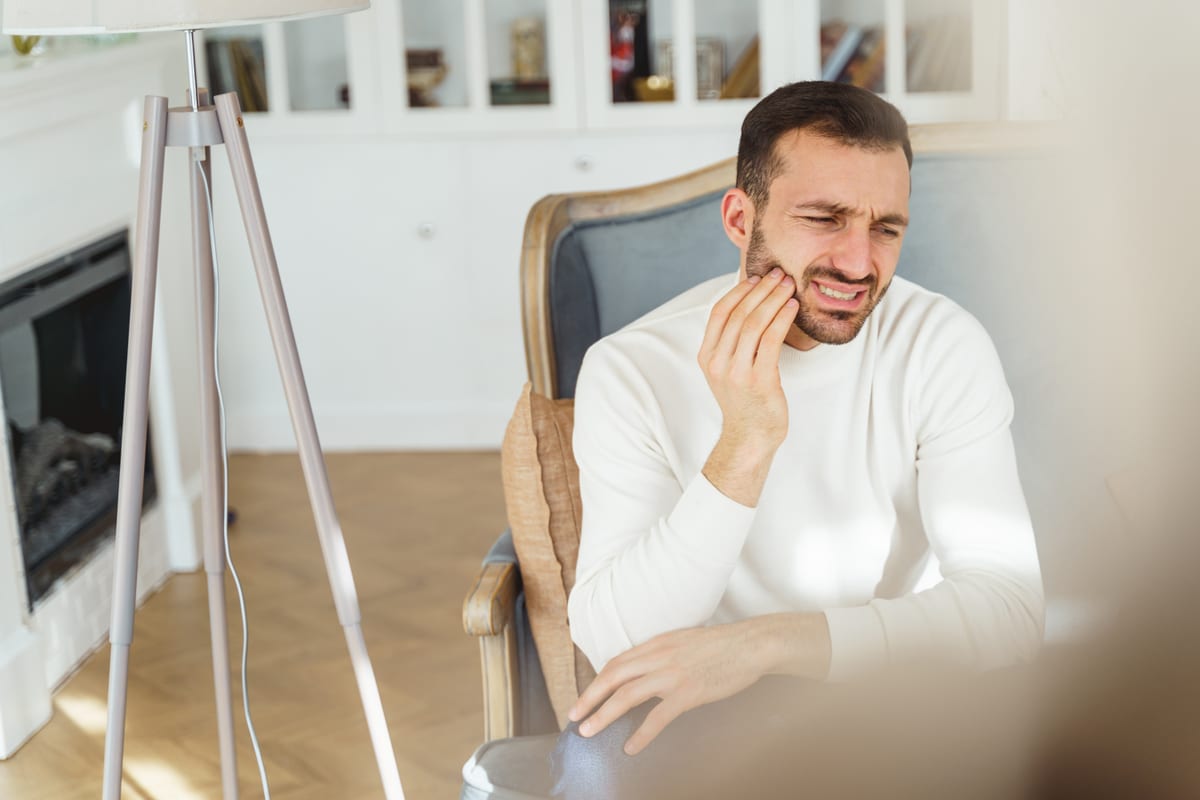
Gum sensitivity is the most commonly reported side effect of teeth whitening. It usually occurs when whitening gel contacts the soft tissue around your teeth. Professional treatment minimizes this risk by using custom trays and gum barriers. These tools keep the gel precisely on the tooth surface where it belongs.
Some patients experience temporary gum irritation even with careful application. This typically resolves within 24 to 48 hours after treatment. It is not a sign of permanent damage. Staying hydrated and avoiding very hot or cold foods helps reduce discomfort during recovery.
Patients with existing gum disease face a different concern. Active gum disease creates exposed root surfaces and inflammation. Whitening gel can irritate these areas more significantly. Dr. Behmanesh recommends treating gum disease fully before considering any whitening procedure.
- Gum barriers protect soft tissue during in-office whitening
- Custom trays prevent gel from pooling near the gumline
- Post-whitening sensitivity typically fades within two days
- Sensitivity toothpaste can ease discomfort after treatment
- Patients with gum disease should complete treatment first
Which Patients Should Avoid or Delay Teeth Whitening?
Teeth whitening is not appropriate for everyone. Certain health and dental conditions make it necessary to wait or choose alternative options. Understanding these exceptions helps patients make informed decisions about their smile care.
Patients who should avoid or delay whitening include those with active tooth decay. Cavities allow peroxide to penetrate deeper into the tooth than intended. This can cause significant pain and increase sensitivity. Decay must be treated before whitening begins.
Pregnant or nursing patients are typically advised to postpone whitening. There is limited research on peroxide absorption during pregnancy. Most dentists recommend waiting until after breastfeeding ends. This conservative approach protects both mother and child.
Children and teenagers under 16 should also avoid whitening treatments. Their pulp chambers are larger and more reactive to whitening agents. This increases the risk of sensitivity and irritation. Adult teeth need time to fully mature before whitening is appropriate.
Other patients who may need individualized guidance include:
- Those with crowns, veneers, or large fillings on front teeth — these restorations do not whiten
- Patients with severe tooth sensitivity or exposed dentin
- Individuals with known allergies to peroxide-based products
- Those undergoing treatment for Dental Emergencies or acute oral infections
What a Professional Whitening Appointment Looks Like at Buda Dental Specialty Group
Dr. Behmanesh begins every whitening consultation with a full oral health evaluation. She checks for decay, gum health, and enamel condition before proceeding. This step ensures whitening is both safe and effective for your specific situation. Patients in Shady Hollow appreciate this thorough, personalized approach.
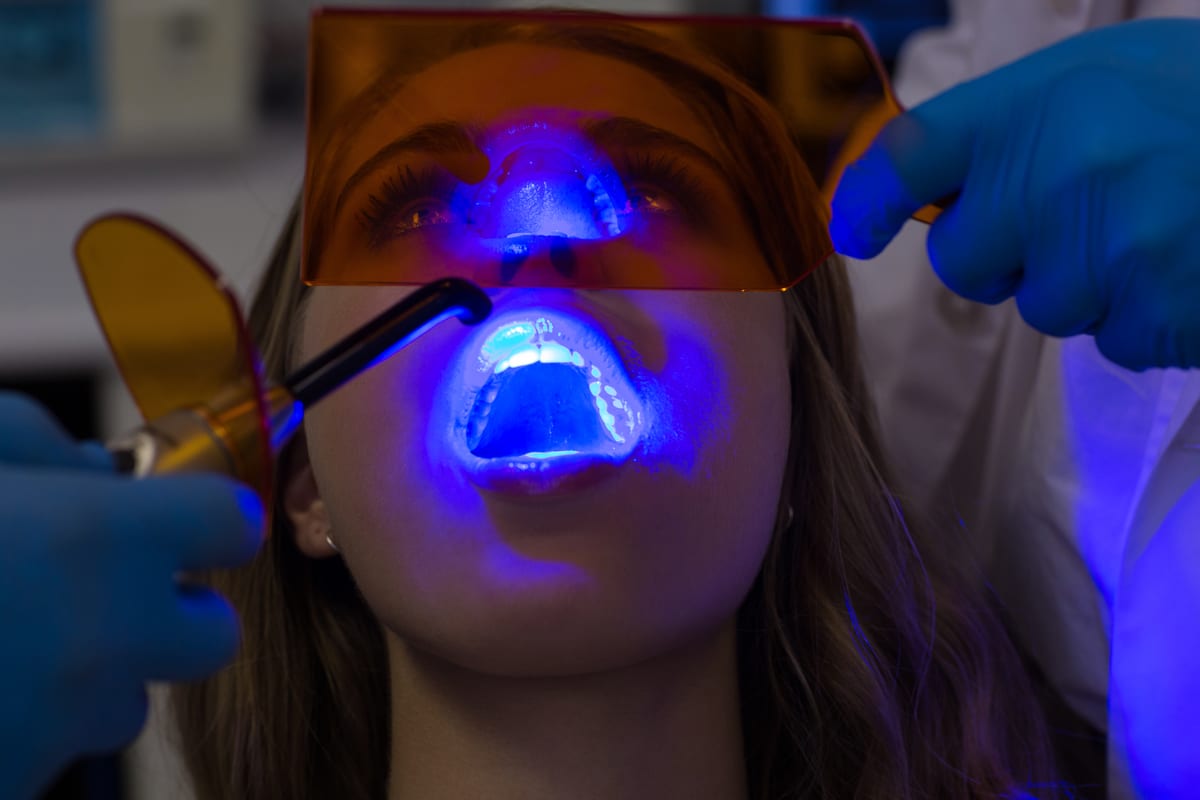
During an in-office session, your gums receive a protective barrier coating. The whitening gel is applied to your teeth in carefully timed intervals. Many patients see noticeable results in a single one-hour appointment. Take-home trays are also available for patients who prefer gradual whitening at their own pace.
After treatment, Dr. Behmanesh provides specific aftercare instructions. These include avoiding staining foods and beverages for 48 hours. Patients with restorations like Dental Implant Restorations receive additional guidance on caring for those areas. Following these steps ensures the best and longest-lasting outcome.
Conclusion: Whitening Can Be Safe With the Right Guidance
Professional teeth whitening is one of the most studied cosmetic dental procedures available today. When performed by a qualified dentist, it is safe for enamel and gums in healthy patients. The key is a proper evaluation before treatment begins. Skipping that step is where problems arise.
Shady Hollow patients deserve honest, evidence-based answers about their dental care options. Dr. Sarah Behmanesh at Buda Dental Specialty Group provides exactly that — clear information, careful assessment, and personalized treatment. Your safety always comes before aesthetics in this practice. Book Now to schedule your appointment with our team.
Frequently Asked Questions
Does professional teeth whitening permanently damage enamel?
No. Clinical research consistently shows that professional whitening agents at approved concentrations do not permanently damage enamel. Some patients experience temporary sensitivity, but enamel mineral content remains stable. A pre-treatment evaluation ensures whitening is appropriate for your enamel condition.
How long does gum sensitivity last after whitening?
Gum sensitivity after professional whitening typically resolves within 24 to 48 hours. Mild irritation is normal and not a sign of lasting damage. Using sensitivity toothpaste and avoiding extreme temperatures can help manage discomfort. Contact your dentist if irritation persists beyond a few days.
Can I whiten my teeth if I have dental crowns or fillings?
Whitening gels do not change the color of crowns, veneers, or composite fillings. If you have restorations on visible front teeth, whitening may create an uneven appearance. Dr. Behmanesh reviews your restorations during your consultation. She helps you set realistic expectations and explore the best approach for your smile.
Is over-the-counter whitening safer than professional whitening?
Over-the-counter products use lower peroxide concentrations, but they lack professional supervision. Without custom trays, gel can contact the gums unevenly and cause irritation. Professional whitening provides stronger and faster results with better safety controls. A dentist can also address underlying issues that OTC products may worsen.
How often can I safely whiten my teeth?
Most patients can safely whiten their teeth once or twice per year with professional treatment. Whitening too frequently increases the risk of sensitivity and enamel stress. Touch-up treatments at home using dentist-prescribed trays can help maintain results between sessions. Your dentist will recommend a schedule based on your individual needs.